
From the Journal
Shabu Shabu, Steamboat or Sichuan Hotpot? An Editorial Guide to Choosing Your Slow Pot Dinner in Ipoh
An editorial guide to choosing between Japanese shabu shabu, charcoal steamboat, Thai mookata and Sichuan hotpot in Ipoh, matched to group size, spice tolerance and dinner hour.

Malaysia Authentic
Updated
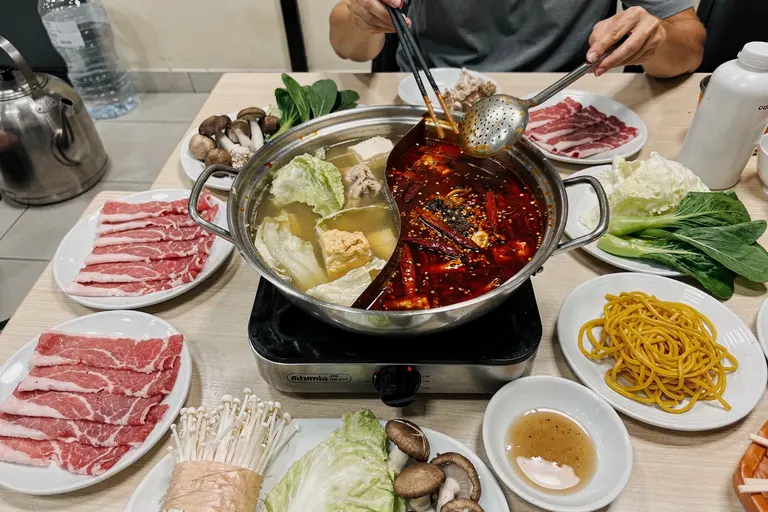
Ipoh is known for slow dinners, and few meals stretch an evening quite like a pot of broth bubbling in the middle of the table. Locals use the words shabu shabu, steamboat and hotpot almost interchangeably, and they all describe the same basic ritual: simmering soup, fresh slices of meat and vegetables, and conversation that lasts as long as the broth. But the styles differ more than you might expect, and picking the wrong one for your group can turn a chatty night into a rushed or overly spicy ordeal. This guide is an editorial selection drawn from a recent roundup of Ipoh's pot spots — not an official ranking — arranged around how you want your evening to feel.
Know Your Three Styles First
Shabu shabu is the Japanese take: thin slices of beef or pork swished through a light kombu broth for just a few seconds, then dipped in sesame or ponzu sauce. It rewards patience and delicate flavour. Steamboat is the local catch-all, usually with a Chinese or Thai leaning and a shared pot. Sichuan-style hotpot is the boldest of the three, built around mala and other punchy soups. Understanding which camp you are in is the first step — the second is matching the venue to your group.
Shared Pot or Individual Pots?
For a true slow, chatty dinner, a shared pot keeps everyone involved. Haidilao Hot Pot at AEON Station 18 is the most reviewed pot in Ipoh, open daily from 11:00 am to 3:00 am, with tomato, mushroom and mala soups, a build-your-own condiment bar and table-side hand-pulled noodles as entertainment between rounds. If your group cannot agree on one broth, its split soup options help.
Individual pots suit mixed groups better. Shabuya inside Kinta Riverfront Hotel is the standout for authentic Japanese shabu shabu, with personal simmering pots, thin-sliced meats and a free-flow buffet format split into lunch and dinner sittings. Super Red Mini Steamboat in Kampung Jawa takes the same approach in a more casual register, giving each diner their own pot.
When You Cannot Decide Between Grill and Pot
Several Ipoh spots hedge the question by offering both. MP BBQ Steamboat on Jalan Sultan Abdul Jalil runs an evening-only buffet from 4:00 pm to 11:00 pm, pairing the pot with a barbecue grill and a generous raw spread. Lepak Santai Steamboat & Grill at Vivo Square is a halal-friendly all-you-can-eat option open 4:00 pm to midnight daily, including grilled kambing in an open-air setting. T-Wo Restaurant in Taman Jubilee also combines steamboat and grill in a buffet running until midnight, while Thai Mookata Steamboat in Taman Ipoh Perdana solves it structurally: a dome-shaped grill sits over a soup moat, so barbecue juices drip down and flavour the broth. Note it is closed Mondays and runs 5:00 pm to 11:00 pm Tuesday to Sunday.
Old-School, Daytime and Late-Night Options
Yu Lim Yuan in Taman Taiping offers traditional Chinese steamboat with homemade paste, balls and from-scratch broths, and is one of the few open for daytime lunch, from 11:00 am to 10:30 pm — useful if your group prefers a long afternoon session over a late night. At the other end, Takumi Steamboat at Soho Ipoh serves until 2:00 am for proper supper sessions.
For spice without Sichuan intensity, Wei Lai Chicken Hotpot at Festival Walk serves ji gong bao — braised chicken in an aromatic sauce, with broth added afterwards and adjustable spice levels, daily from 12:00 pm to 11:00 pm.
Practical Advice Before You Book
Confirm the buffet sitting times, as lunch and dinner slots often differ. If spice tolerance varies widely in your group, individual pots or split broths prevent arguments. All the spots in the referenced roundup hold Google ratings of at least 4.0, so the choice is less about quality and more about style, timing and atmosphere. If you are building a full Ipoh eating itinerary, our seafood and yong tau foo guides pair well with an evening pot.
Visual note: this AI-generated illustration is not a photograph from a visit to the listed venues.
Sources
- Top 10 Shabu Shabu in Ipoh 2026 - My Weekend Plan.
Frequently asked questions
What is the difference between shabu shabu, steamboat and hotpot in Malaysia?
In Malaysian usage they all describe a shared simmering-pot meal. Shabu shabu refers to the Japanese style with thin meat slices swished briefly in light kombu broth and dipped in sesame or ponzu sauce. Steamboat is the local catch-all, often with a Chinese or Thai lean, while hotpot usually points to bolder Sichuan and mala styles.
Where can I find a halal-friendly steamboat buffet in Ipoh?
Lepak Santai Steamboat & Grill at Vivo Square is described as a halal-friendly all-you-can-eat steamboat and grill buffet, including grilled kambing, open daily from 4:00 pm to 12:00 am. Always confirm current halal status directly with the restaurant before dining.
Which Ipoh hotpot spots stay open latest?
Haidilao Hot Pot at AEON Station 18 operates from 11:00 am to 3:00 am daily, and Takumi Steamboat at Soho Ipoh serves until 2:00 am, making both suitable for late-night sessions. T-Wo Restaurant in Taman Jubilee runs its buffet steamboat and grill until midnight.
Can I get individual hotpot pots instead of one shared pot in Ipoh?
Yes. Shabuya inside Kinta Riverfront Hotel offers individual simmering pots in a free-flow buffet format, and Super Red Mini Steamboat in Kampung Jawa gives each diner their own pot, which works well for groups with different spice tolerances.
There’s more to discover.
Explore more places, makers and perspectives in the Journal.
Found an error? Contact the editorial team with the article and correction.
Keep exploring
More from the Journal.
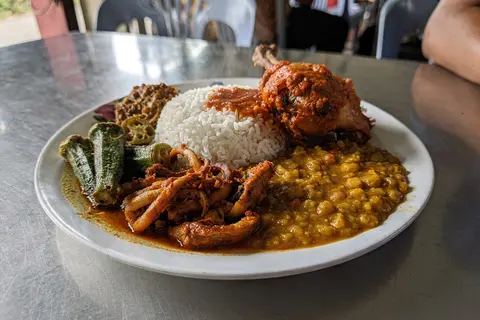
Ipoh's Mamak Heritage: Nasi Kandar to Late-Night Teh Tarik
An editorial guide to Ipoh's Indian-Muslim mamak eateries, tracing tin-mining-era nasi kandar kitchens to round-the-clock roti canai and supper teh tarik spots.
Food & drink · Ipoh
Read article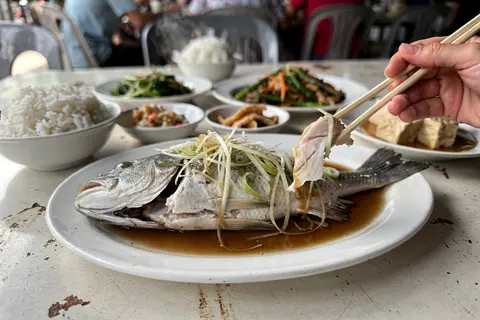
Ipoh's Underrated Seafood: Tai Chow Fish to Lala Pots
An editorial guide to Ipoh's underrated seafood, from decades-old tai chow steamed fish in Kampung Jawa to a late-night lala pot at Soho Ipoh, with picks across Bercham, Pasir Puteh and Menglembu.
Food & drink · Ipoh
Read article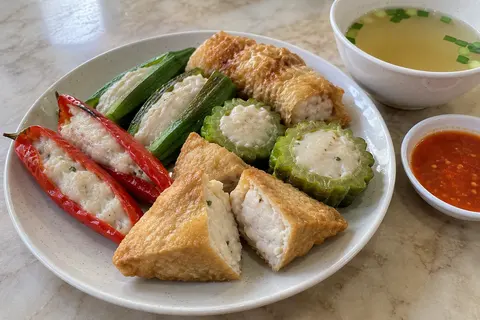
Yong tau foo in Ipoh's neighbourhood kopitiams
An editorial guide to Ipoh's handmade yong tau foo, from Pasir Pinji kopitiams to Menglembu and evening stalls in Manjoi and Klebang — with ordering styles, timing tips and FAQs.
Food & drink · Ipoh
Read article