
From the Journal
Charcoal or Gas? How to Pick a Proper Claypot Chicken Rice in the Klang Valley by Fire, Crust and Table Ritual
An editorial guide to claypot chicken rice in the Klang Valley, comparing charcoal-fired originals, evening-only neighbourhood stalls and modern air-conditioned chains, with crust-judging and table tips.

Malaysia Authentic
Updated
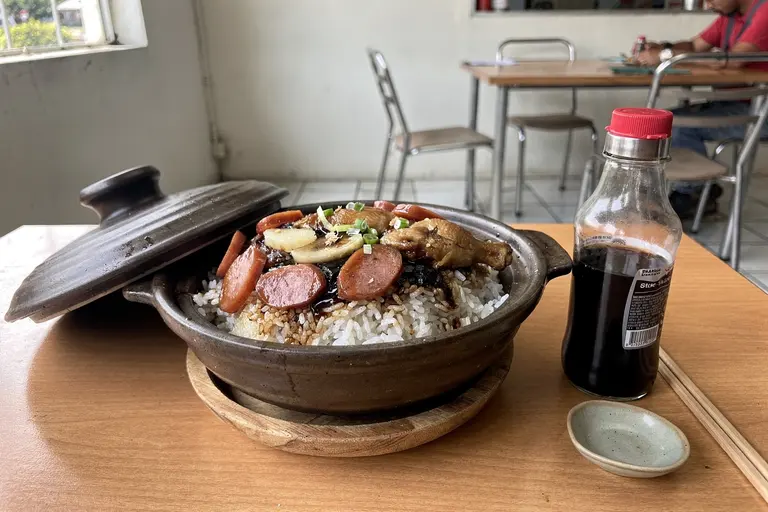
Claypot chicken rice looks simple — rice, chicken, lap cheong, a dark soy drizzle — but the difference between an average pot and a memorable one comes down to fire and patience. The hallmark of a good pot is the caramelised golden crunchy crust that forms at the base; regulars scrape it off last, and getting it right without burning the rice takes real skill. This guide compares Klang Valley options by cooking method and style so you can match a pot to your evening. It is an editorial selection drawn from published listings — not an official ranking — and all venues mentioned hold Google ratings of 4.0 or higher.
Charcoal Originals: Smokiness You Cannot Fake
Charcoal-fired pots impart a gentle smokiness that gas cannot replicate, which is why older charcoal stalls still draw queues. The best-known charcoal original is Heun Kee in Taman Connaught, prized for a smoky edge and crunchy crust. Expect queues, and note it closes on Wednesdays, trading from 11am–3pm and 5pm–9.30pm. If smokiness is the whole reason you are making the trip, start here — but plan around the break between lunch and dinner sessions.
Patient Evening Stalls: Pot by Pot, Sold Out by Dark
Some neighbourhood specialists cook every pot to order the traditional way, which costs them speed and gains them devoted regulars. Wei Ji is an evening-only stall (4–10pm) in Taman P Ramlee — no-frills, cooking pot by pot, and rated by locals for consistency, value, a crisp base and a well-judged soy sauce. In Puchong, Shi Yue Tian is an institution that cooks the patient traditional way, evenings only (Mon–Sat 4–9pm, Sun 5–9pm), loading pots with tender chicken, lap cheong and caramelised crust; it can sell out early.
These stalls suit diners who value crust quality over comfort. Arriving around 5:30–6:30pm beats the queues, since many traditional spots open only in the evening and run out.
Modern Air-Conditioned Chains: Comfort and Consistency
If you are dining with children or want reliable hours, the modern chains are the pragmatic pick. Chat Hei in Damansara Uptown is air-conditioned and family-friendly, with fragrant rice, lovely crust, tender chicken and a signature house soy drizzle — though peak-hour waits still happen. Sanxii (Bandar Mahkota Cheras) and Masu (Kepong) follow the same formula: faster service, slicker surroundings, longer hours and family-friendly seating. The trade-off is that gas or high-heat cooking generally lacks charcoal's smoke.
Quick Comparison
| Style | Pick | Best for | Watch out for |
|---|---|---|---|
| Charcoal original | Heun Kee | Smoky flavour purists | Queues, closed Wednesdays |
| Traditional stall | Wei Ji, Shi Yue Tian | Crust quality, value | Evening hours only, may sell out |
| Modern chain | Chat Hei, Sanxii, Masu | Families, comfort, late hours | Less smoky character |
Do This at the Table
Whatever you order, the ritual matters. Let the pot sit a minute so the base crisps further, add a final drizzle of thick dark soy sauce, then mix everything together before eating. Classic toppings are marinated chicken, lap cheong sausage, salted fish and that dark sweet-savoury soy. Note that most specialists are Chinese-run and generally not halal due to pork items like lap cheong.
Our Advice
First-timers chasing the authentic version should pick one charcoal or traditional stall, arrive early, and judge the pot by its crust — scrape the bottom last and see if it was worth the wait. Families and late diners will be happier at a modern chain, where the crust is still respectable and the air-con is a bonus on hot evenings.
Visual note: this AI-generated illustration is not a photograph from a visit to the listed venues.
Sources
- Top 10 Claypot Chicken Rice in KL & Selangor 2026 - My Weekend Plan.
Frequently asked questions
Why is charcoal-firing such a big deal for claypot chicken rice?
Charcoal gives the rice a gentle smokiness that gas cooking cannot replicate, which is why older charcoal stalls like Heun Kee in Taman Connaught still draw queues despite the wait.
When is the best time to visit traditional claypot chicken rice stalls?
Most traditional specialists, such as Wei Ji and Shi Yue Tian, open only in the evening and can sell out early. Arriving around 5:30–6:30pm helps you beat the queues.
What are the signs of a well-made claypot chicken rice?
Look for a caramelised golden crunchy crust at the pot's base, achieved without burning. Regulars scrape it off last, and achieving it without burning requires skill.
Is claypot chicken rice halal?
Most specialists are Chinese-run and generally not halal, due to pork items such as lap cheong sausage in the classic topping combination.
There’s more to discover.
Explore more places, makers and perspectives in the Journal.
Found an error? Contact the editorial team with the article and correction.
Keep exploring
More from the Journal.
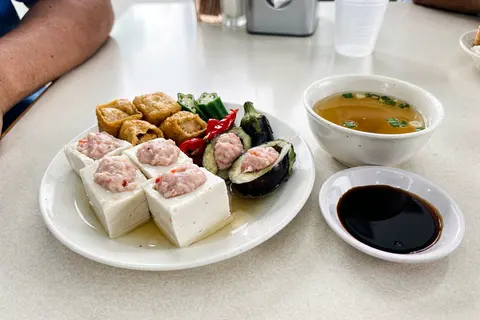
A Klang Valley Yong Tau Foo Crawl: Ampang to Pudu
An editorial crawl guide to Klang Valley yong tau foo, comparing the founding Ampang names on Jalan Merdeka with well-loved shops in Segambut, Pudu, Kampung Pandan and beyond.
Food & drink · Klang Valley
Read article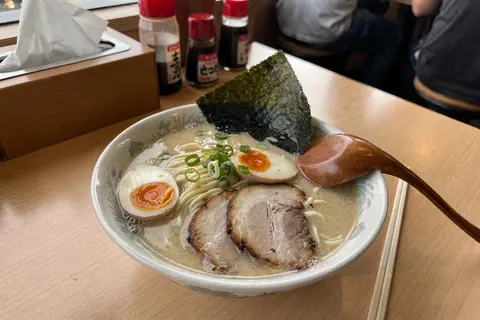
Klang Valley Ramen by Broth Style: Tonkotsu to Mazesoba
An editorial guide to Klang Valley ramen by broth style — creamy tonkotsu, clean shoyu, chicken paitan and brothless mazesoba — with advice on picking the right bowl.
Food & drink · Klang Valley
Read article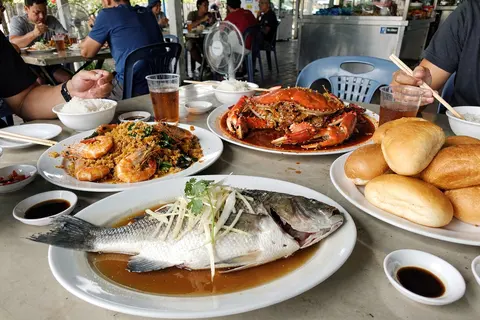
Klang Valley Weekend Seafood: 10 Spots Compared by Style and Budget
An editorial guide to ten seafood restaurants across KL, PJ, Kuala Selangor and Shah Alam, comparing live-tank banquet halls, riverside escapes and late-night crab spots.
Food & drink · Klang Valley
Read article